
How to Prepare for Texas Spring Storms (and What to Do If One Hits Your Property)
To prepare for Texas spring storms, property owners should inspect roofing systems, clear gutters, secure outdoor items, and address any existing vulnerabilities before severe weather arrives. After a storm, it’s essential to inspect for visible damage, document any issues promptly, and schedule a professional inspection. Acting quickly helps prevent structural damage and supports a smoother insurance claims process.
Who This Applies To
Spring storms in North Texas impact a wide range of properties, and preparation looks slightly different depending on your situation.
This guide is designed for:
Homeowners who want to protect their homes, avoid interior damage, and stay ahead of insurance issues
Commercial property owners and managers responsible for maintaining buildings, minimizing disruption, and protecting long-term property value
Why Spring Storms in Texas Cause So Much Damage
Texas spring weather is unpredictable, and in the DFW area, storms can escalate quickly. What begins as heavy rain can turn into hail or high winds within minutes.
These conditions are especially hard on roofing systems because they:
Loosen shingles and flashing
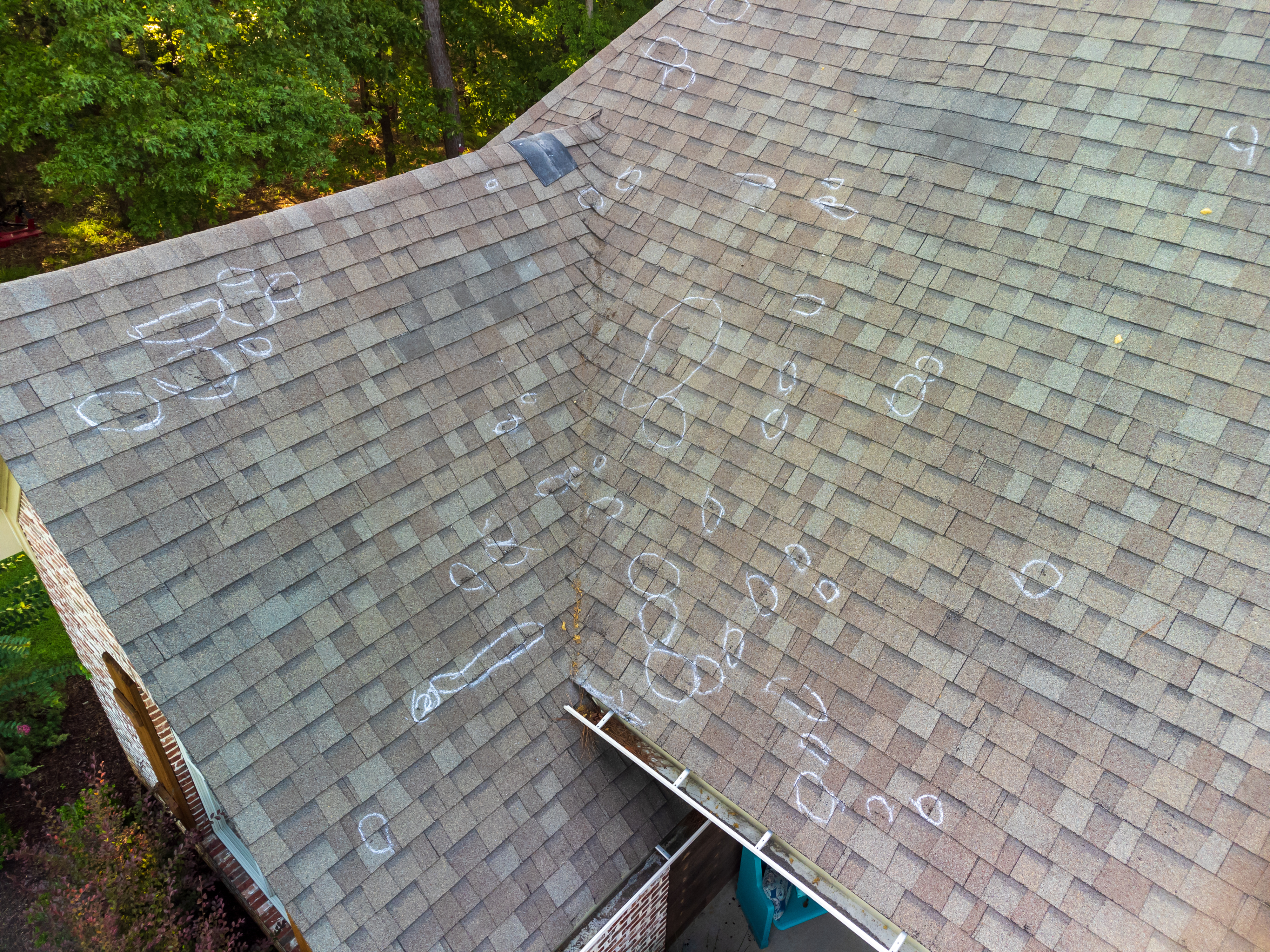
Cause impact damage from hail
Force water into small vulnerabilities
The challenge is that not all damage is immediately visible. Many property owners assume everything is fine, only to discover leaks or structural issues weeks later.
That’s why preparation — and fast action after a storm — is so important.

How Homeowners Can Prepare Before a Storm
Preparing your home ahead of storm season isn’t just about avoiding damage — it’s about reducing risk and gaining peace of mind.
1. Schedule a Roof Inspection Before Storm Season
A professional inspection gives you a clear picture of your roof’s current condition.
Over time, materials naturally weaken. Small issues like loose shingles or worn seals may not seem urgent, but they can quickly become major problems during a storm.
A pre-season inspection helps identify:
Areas vulnerable to wind uplift
Weak flashing around vents and chimneys
Early signs of aging or deterioration
Addressing these issues early can significantly reduce the impact of severe weather.
2. Clean Gutters and Ensure Proper Drainage
Water management is one of the most overlooked aspects of storm preparation.
When gutters are clogged, water has nowhere to go. Instead, it can back up under shingles or pool around your foundation.
Before storm season:
Clear leaves and debris
Check downspouts for proper flow
Ensure water is directed away from your home
This simple step can prevent both roof and structural damage.
3. Secure Outdoor Items Around Your Property
High winds are one of the biggest causes of unexpected damage.
Items like patio furniture, grills, and decorations can become airborne and impact your home.
Take time to:
Bring loose items indoors
Anchor heavier objects
Trim nearby tree branches if needed
This helps reduce the risk of avoidable damage.
4. Pay Attention to Interior Warning Signs
Your home often gives subtle clues when something isn’t right.
Before storm season, look for:
Ceiling discoloration or stains
Musty smells
Peeling paint or bubbling drywall
These signs may indicate an existing issue that could worsen during heavy rain.
How Commercial Property Owners Should Prepare
Commercial properties require a more proactive approach due to their size, structure, and usage.
Unlike residential roofs, many commercial systems are flat or low-sloped, which makes them more susceptible to water pooling and drainage issues.
Preparation should include:
A full inspection of roofing membranes and seams
Clearing debris from drainage systems
Reviewing past repairs or known weak points
Scheduling routine maintenance before storm season begins
Taking these steps helps prevent disruptions that can impact tenants, employees, or customers.
What To Do Immediately After a Storm
Once a storm passes, it’s important to act quickly — even if damage isn’t obvious.
1. Perform a Safe Visual Inspection
Start by checking your property from the ground.
Look for:
Missing or damaged shingles
Debris on the roof
Signs of water intrusion
Avoid climbing onto the roof, as damage may make it unsafe.
2. Document Any Signs of Damage
Documentation is one of the most important steps for protecting your investment.
Take clear photos of:
Exterior damage
Interior leaks or stains
Any visible impact points
This information can be critical when filing an insurance claim.
3. Schedule a Professional Inspection
Many types of storm damage are not visible without a trained eye.
A professional contractor can:
Identify hidden issues
Provide detailed documentation
Help guide next steps for repair or restoration
This step ensures nothing is overlooked.
4. Avoid Delaying Repairs
Even small problems can escalate quickly in Texas weather.
Delaying action can lead to:
Mold growth
Structural weakening
Increased repair costs
Acting early helps minimize both damage and expense.
Additional Steps for Commercial Properties
For commercial buildings, post-storm response should also focus on safety and continuity.
Property managers should:
Check for standing water on flat roofs
Inspect areas affecting tenants or operations
Address hazards immediately
Begin documentation for insurance and compliance
Fast response helps maintain business operations and reduces liability.
Insurance Claims Can Be Complicated
Many property owners are surprised to learn that insurance claims can be delayed or denied due to simple mistakes.
Common issues include:
Waiting too long to document damage
Incomplete inspections
Lack of supporting evidence
Working with a contractor experienced in Texas insurance processes can help streamline the process and avoid unnecessary complications.
Frequently Asked Questions
How can I tell if my roof has storm damage?
Look for missing shingles, dents, leaks, or debris buildup. Even small signs can indicate larger issues beneath the surface.
Should I get an inspection even if I don’t see damage?
Yes. Many types of storm damage are not visible from the ground and can worsen over time.
How soon should I act after a storm?
Ideally within 24–48 hours. Quick action helps prevent further damage and supports insurance claims.
Will insurance cover storm damage?
Most policies cover storm-related damage, but proper documentation and timely filing are essential.
Are commercial inspections different from residential?
Yes. Commercial roofs require more detailed evaluation and ongoing maintenance planning.
Local Experience Matters
North Texas storms are unique, and working with a contractor who understands local weather patterns and insurance requirements can make a significant difference.
Experienced professionals can provide accurate assessments, faster response times, and guidance throughout the repair process.